Garden Maintenance
by Admin
Posted on 08-06-2025 12:36 PM
Importance of Garden Maintenance
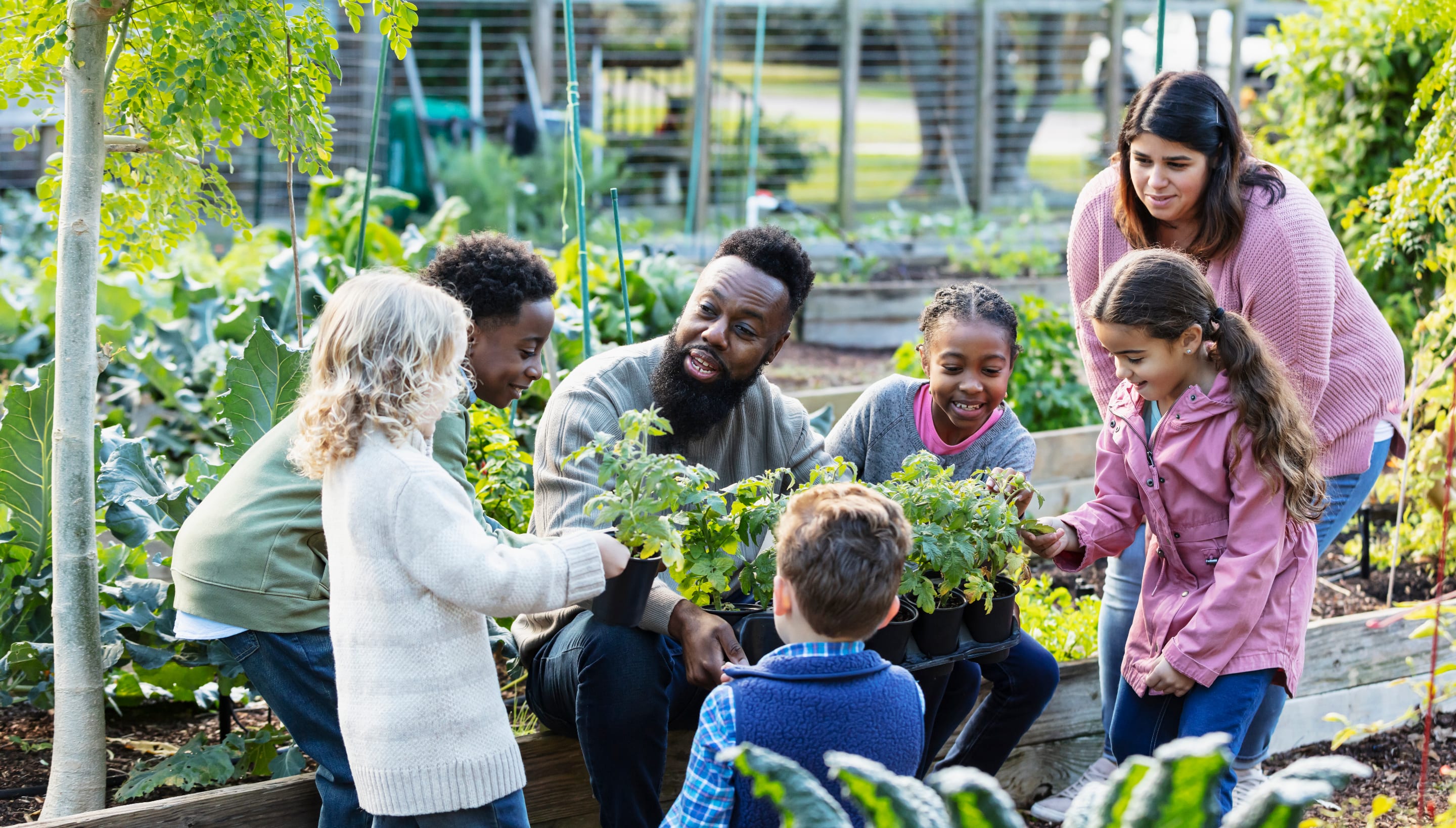
Regular garden maintenance is crucial for maintaining the health and appearance of your garden. Neglecting your garden can lead to a range of problems, including overgrown weeds, diseased plants, and pest infestations. By keeping your garden well-maintained, you can prevent these problems from occurring and ensure that your garden remains a beautiful and enjoyable space.
Benefits of Regular Maintenance
Regular garden maintenance has a number of benefits, including: * Improved appearance: A well-maintained garden looks neat and tidy, and can enhance the overall appearance of your home. * Increased property value: A beautifully maintained garden can increase the value of your property and make it more attractive to potential buyers. * Reduced pest and disease problems: Regular maintenance can help prevent pest and disease problems, reducing the need for pesticides and other chemicals. * Improved plant health: Regular maintenance can help promote healthy plant growth, reducing the risk of disease and pest problems.
Here is the revised version:
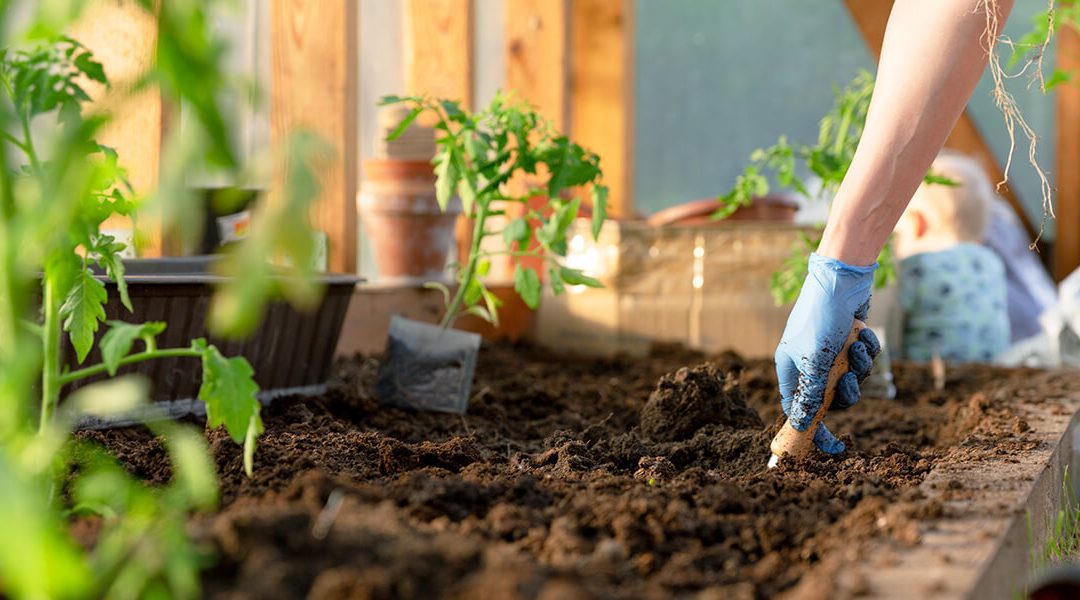
For a beautiful garden, it is essential to have a good garden plan, you can visit https://www.gardenplanguide.com/ to get some ideas and tips on how to create a stunning outdoor space.
Tools and Equipment
Having the right tools and equipment is essential for effective garden maintenance. Some of the most common tools and equipment used in garden maintenance include: * Pruning shears and loppers: Used for pruning and trimming plants. * Rakes and hoes: Used for weeding and cultivating soil. * Fertilizers and pesticides: Used to promote healthy plant growth and prevent pest and disease problems. * Irrigation systems: Used to water plants and maintain soil moisture.
Choosing the Right Tools
Choosing the right tools and equipment for your garden maintenance needs can be overwhelming, especially for beginners. Here are a few tips to help you choose the right tools: * Consider the size of your garden: If you have a small garden, you may not need as many tools as someone with a larger garden. * Think about the types of plants you have: Different plants require different types of care, so make sure you have the right tools for your specific plants. * Look for high-quality tools: Investing in high-quality tools can make a big difference in the effectiveness of your garden maintenance.
Garden Maintenance Techniques
There are a number of techniques and strategies that can be used to maintain a healthy and thriving garden. Some of the most common techniques include: * Pruning: Pruning involves cutting back plants to promote healthy growth and maintain shape. * Weeding: Weeding involves removing weeds from the garden to prevent them from competing with plants for water and nutrients. * Fertilizing: Fertilizing involves adding nutrients to the soil to promote healthy plant growth. * Pest control: Pest control involves using techniques such as pesticides, traps, and barriers to prevent pest problems.
Pruning Techniques
Pruning is an essential part of garden maintenance, and involves cutting back plants to promote healthy growth and maintain shape. Here are a few tips for pruning: * Use the right tools: Make sure you have the right pruning tools for the job, such as pruning shears or loppers. * Prune at the right time: Pruning at the right time can help promote healthy growth and prevent disease problems. * Make clean cuts: Make clean cuts just above a growth node to promote healthy growth and prevent disease problems.
Seasonal Garden Maintenance
Garden maintenance needs can vary depending on the season. Here are a few tips for seasonal garden maintenance: * Spring: In the spring, focus on cleaning up the garden, pruning plants, and fertilizing the soil. * Summer: In the summer, focus on watering plants, controlling weeds, and preventing pest problems. * Fall: In the fall, focus on cleaning up the garden, pruning plants, and preparing the soil for winter. * Winter: In the winter, focus on protecting plants from cold weather, and planning for the upcoming growing season.
Spring Garden Maintenance
Spring is a great time to clean up the garden and prepare for the upcoming growing season. Here are a few tips for spring garden maintenance: * Clean up the garden: Remove any debris or dead plants from the garden to make way for new growth. * Prune plants: Prune plants to promote healthy growth and maintain shape. * Fertilize the soil: Fertilize the soil to promote healthy plant growth.
Common Garden Maintenance Mistakes
There are a number of common mistakes that people make when it comes to garden maintenance. Here are a few tips for avoiding these mistakes: * Not watering enough: Failing to water plants enough can lead to drought stress and other problems. * Over-watering: Over-watering can lead to root rot and other problems. * Not pruning enough: Failing to prune plants can lead to overgrowth and other problems. * Using too many chemicals: Using too many chemicals can harm the environment and human health.
Conclusion
Garden maintenance is an essential aspect of keeping your outdoor space looking its best. By following the tips and techniques outlined in this article, you can keep your garden healthy and thriving, and enjoy the many benefits that come with having a beautiful and well-maintained garden.
FAQs
What are the most common garden maintenance mistakes?
The most common garden maintenance mistakes include not watering enough, over-watering, not pruning enough, and using too many chemicals.
How often should I water my plants?
The frequency of watering will depend on the type of plants you have, as well as the climate and soil conditions.
What is the best way to control weeds in my garden?
The best way to control weeds is to use a combination of techniques, including hand-weeding, mulching, and using herbicides.
How can I prevent pest problems in my garden?
To prevent pest problems, use a combination of techniques, including crop rotation, biological control, and organic pesticides.
What is the best time to prune my plants?
The best time to prune will depend on the type of plant, as well as the climate and growing conditions.