Decluttering Before Moving
by Admin
Posted on 07-12-2025 08:35 PM

Why Declutter Before You Move?
Decluttering before moving offers numerous advantages that extend beyond simply having fewer boxes to unpack. By reducing your belongings, you significantly cut down on moving costs since most moving companies charge based on weight and volume. The less you move, the less you pay. Additionally, decluttering saves time during both packing and unpacking phases. You will spend less time deciding what to pack and more time organizing your new home. Perhaps most importantly, decluttering provides a psychological benefit, allowing you to start fresh in your new space without the burden of unnecessary items weighing you down.
When to Start Decluttering
The Ideal Timeline
The best time to start decluttering is 2-3 months before your move date. This timeframe allows you to tackle the process gradually without feeling rushed. Begin with areas you use least frequently, such as the basement, attic, or guest rooms. As you get closer to moving day, work your way through high-traffic areas like the kitchen and living room. Breaking the process into manageable sessions of 1-2 hours helps prevent burnout and maintains momentum.
Last-Minute Decluttering
If you are short on time, focus on high-impact areas that typically accumulate the most clutter. The kitchen, bedroom closet, and home office are prime candidates. Be ruthless in your decision-making during these sessions. Ask yourself if each item has been used in the past year and if it serves a purpose in your new home. Remember that even a condensed decluttering session is better than none at all.
How to Declutter Effectively
The Four-Box Method
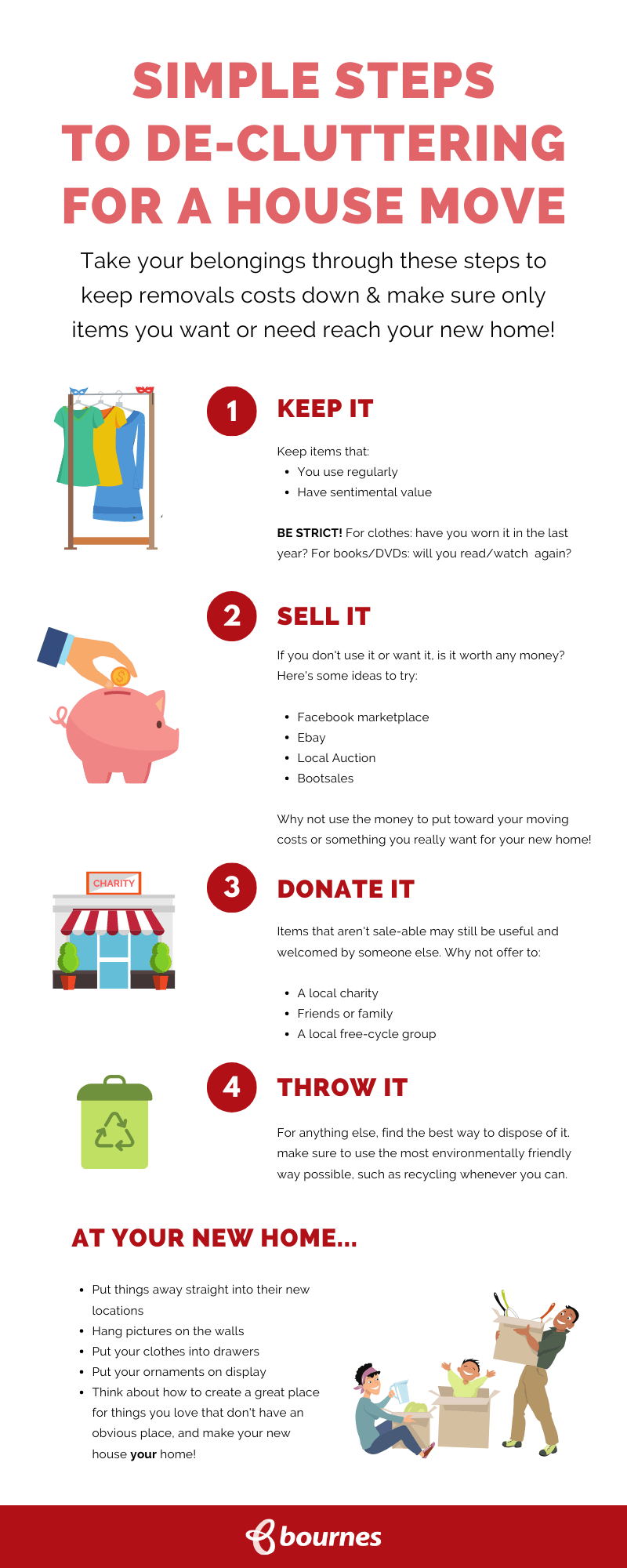
The four-box method is a straightforward system that streamlines decision-making. For comprehensive decluttering resources and methods, visit https://godeclutter.com/. Label four boxes or containers as "Keep," "Donate," "Sell," and "Trash." As you sort through each item, place it in the appropriate box. This method forces quick decisions and prevents second-guessing. For items in the "Keep" category, pack them immediately if they are out of season or rarely used. This approach ensures that by the end of your session, everything has a designated destination.
Sorting by Category
Instead of tackling one room at a time, consider sorting by category across your entire home. For example, gather all your clothing from every closet and drawer in one place. This method provides a clear picture of how much you own and helps identify duplicates or unnecessary items. Categories should include clothing, books, paperwork, kitchen items, and sentimental objects. This approach is particularly effective for preventing the same type of clutter from hiding in multiple locations.
Tackling Tough Areas
The Sentimental Items Dilemma
Sentimental items often present the biggest challenge during decluttering. To approach these items objectively, set a limit for how many sentimental pieces you will keep. Consider taking photographs of items with memories attached rather than keeping the physical object. Ask yourself if the item truly brings you joy or if you are keeping it out of obligation. Remember that preserving memories does not require keeping every item associated with them.
Dealing with Paperwork
Paperwork can accumulate quickly and feel overwhelming. Sort documents into three categories: keep, shred, and digitize. Important documents like birth certificates and tax returns should be kept in a secure file. For documents you need but do not require physical copies of, scan and save them digitally. Recycle what you can and shred anything with personal information. This process not only reduces clutter but also improves your organization system.
What to Do with Unwanted Items
Once you have sorted your belongings, decide how to dispose of unwanted items responsibly. Donate usable items to local charities, shelters, or thrift stores. Many organizations offer pickup services for large donations. For valuable items, consider selling them through online marketplaces, garage sales, or consignment shops. Recycle electronics, batteries, and other hazardous materials at designated facilities. Only dispose of items in the trash as a last resort, ensuring that hazardous materials are handled properly.
Maintaining a Clutter-Free New Home
After the effort of decluttering, you will want to maintain your clutter-free status in your new home. Establish a "one in, one out" rule where you donate or discard an item whenever you bring something new into your home. Designate specific places for frequently used items and commit to putting things away immediately after use. Implement regular mini-decluttering sessions to prevent accumulation. By setting these habits early, you will enjoy a more organized and peaceful living environment.
FAQs
How far in advance should I start decluttering before a move?
Start 2-3 months before moving day to allow time for thorough sorting without rush.
What if I have too much sentimental stuff?
Set a limit for sentimental items, take photos of memories, and keep only the most meaningful pieces.
Should I sell my unwanted items or donate them?
Sell valuable items to recoup some costs and donate the rest for convenience and tax benefits.
How do I stay motivated during the decluttering process?
Break tasks into small sessions, play music, reward yourself, and visualize your clutter-free new home.
Can I declutter if I am moving on short notice?
Focus on high-impact areas, be decisive, and prioritize items that are expensive or bulky to move.
What should I do with items I cannot decide about?
Create a "maybe" box, set a deadline to revisit it, and force a decision before moving day.